Day 3: The sources
I'm starting with four books to give my learning some structure, from understanding a movement to making its components. I'm still figuring this out, so consider this a record of where I'm starting rather than a reading list to follow.
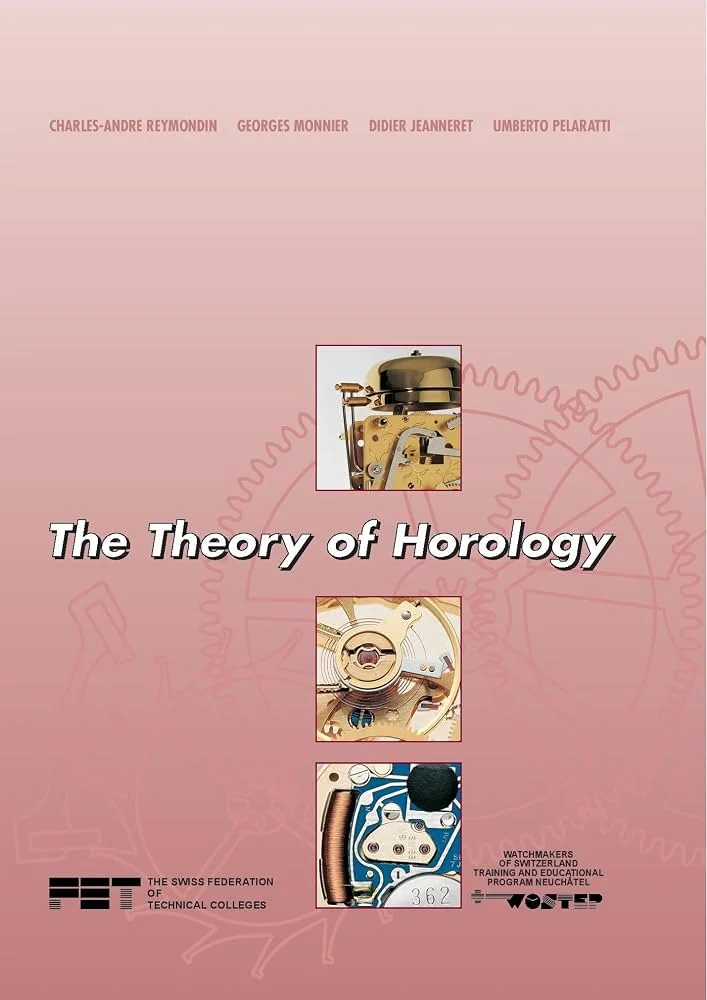
The Theory of Horology
This will be my main textbook for gear trains, escapements, oscillators, power transmission and the calculations that connect them. It's the book I plan to study most systematically, to understand how the parts of a movement interact. I'll study it alongside actual mechanisms to connect the explanations with what I can observe at the bench.
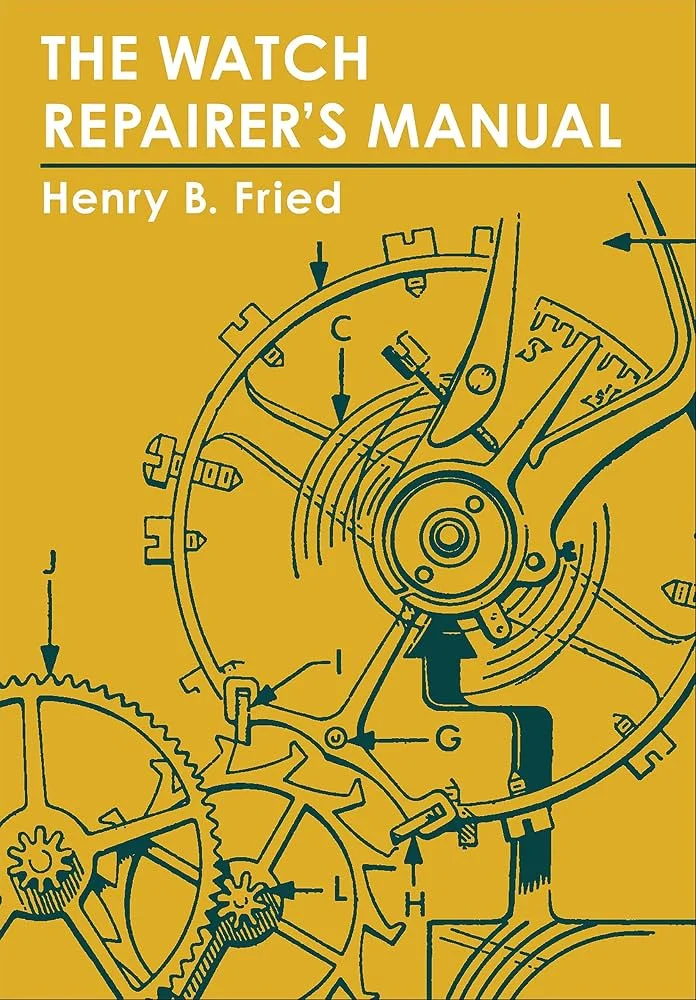
The Watch Repairer's Manual
Henry B. Fried covers dismantling, servicing, troubleshooting and repairing watches. I'll use his manual as I work on simple movements, learning to handle and inspect the parts and put everything back together. I don't plan to service watches for customers, but understanding assembly and faults is part of what I want to learn.
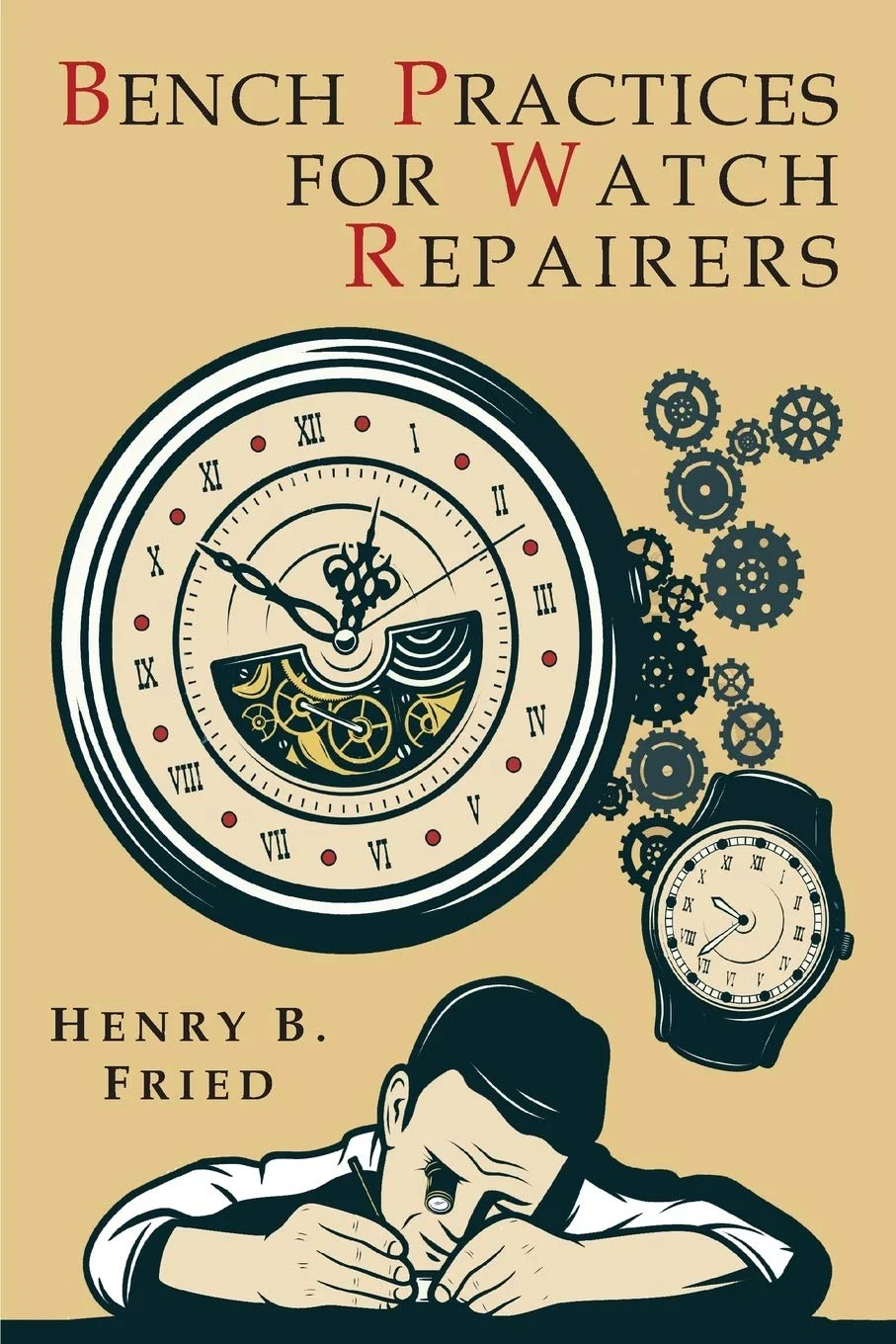
Bench Practices for Watch Repairers
Also by Fried, this focuses on individual bench skills, including hairspring work, jeweling and pin repairs. I'll refer to it as I begin practising work on components, gradually developing the control and familiarity with tools these operations require.
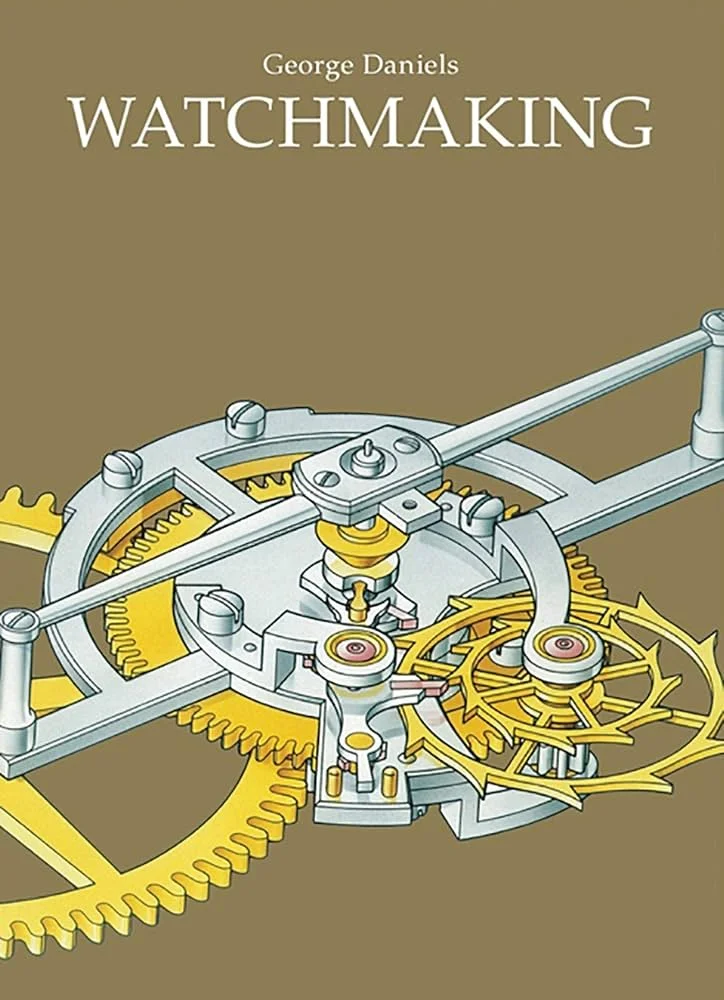
Watchmaking
George Daniels describes the manufacture of a precision watch, including making components and extensive escapement work. This connects most directly with my long-term aim of designing watches and making as many of their parts as I can. For now, I'll use the book to understand that process, returning to it as my skills develop.
I'll begin with the theory and the repair manual, moving between reading and time at the bench.